Pregnancy & Family Or Carer’s Responsibilities
The law protects you from being treated less favourably at work because you are pregnant, might become pregnant, are breastfeeding, have taken or asked for parental leave, or have responsibilities to care for a child or family member. It also gives you minimum leave and return-to-work rights.
I Believe That I Am Being Discriminated Against At Work Because I Am Pregnant. What Are My Rights?
Three sets of laws protect you. The general protections in s 351 of the Fair Work Act 2009 (Cth) stop an employer taking adverse action against you because of pregnancy, breastfeeding, family or carer's responsibilities, or because you are subject to family and domestic violence. The Sex Discrimination Act 1984 (Cth) makes discrimination because of pregnancy or potential pregnancy, breastfeeding and family responsibilities unlawful. And the Equal Opportunity Act 1984 (WA) covers pregnancy, breastfeeding and family responsibility or family status.
Potential pregnancy includes the fact that you could become pregnant, have said you want to, or are thought likely to. So an employer who passes over a woman because she has just married, or asks at interview whether she plans to have children, may be discriminating.
The Fair Work Act also gives you minimum leave and job protections, set out below. Taking or asking for that leave is itself a workplace right, and an employer must not take adverse action against you for it.
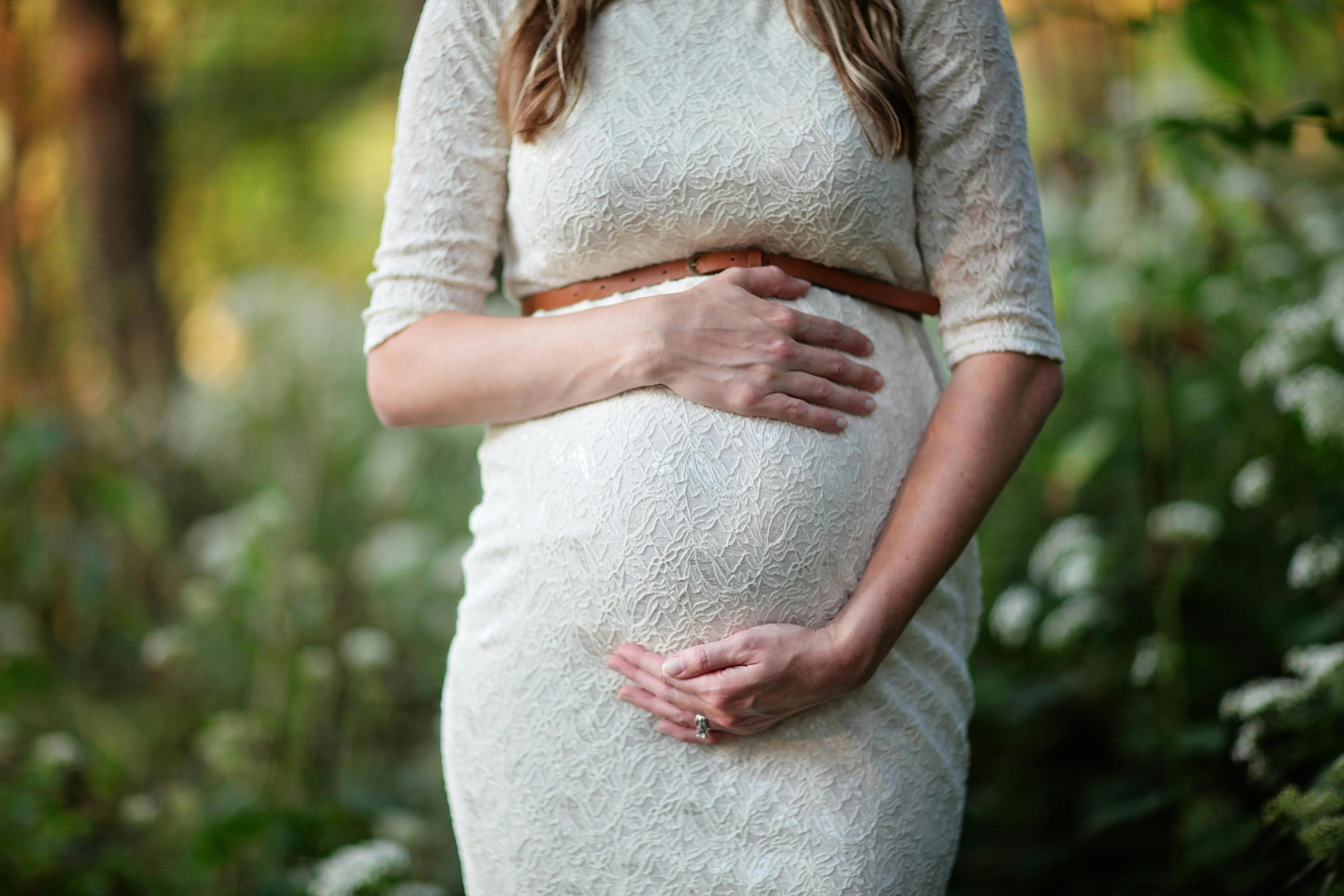
Under the National Employment Standards in the Fair Work Act, your rights include:
- A safe job. If your doctor says it is inadvisable for you to continue in your current role because of illness or risks from the pregnancy, your employer must move you to an appropriate safe job on your full pay (s 81). If there is none, you are entitled to paid no safe job leave if you qualify for unpaid parental leave, or unpaid no safe job leave if you do not (ss 81A, 82A).
- Unpaid special parental leave if you are unfit for work because of a pregnancy-related illness, or because a pregnancy of at least 12 weeks ends other than by a live birth. You can use paid personal leave instead if you have it (s 80). If a baby is stillborn, you keep your entitlement to unpaid parental leave (s 77A).
- 12 months' unpaid parental leave if you have 12 months' continuous service, or are a regular and systematic casual with a reasonable expectation of continuing work (ss 67, 70). Up to 100 days of it can be taken flexibly, as single days or blocks, within 24 months of the birth (s 72A).
- The right to ask for up to 12 more months. Your employer must respond in writing within 21 days and can refuse only on reasonable business grounds after genuinely trying to reach agreement with you. A dispute can go to the Fair Work Commission (ss 76, 76A, 76B).
- The return to work guarantee. When your unpaid parental leave ends, you are entitled to return to your pre-leave position or, if it no longer exists, to an available position you are qualified and suited for, nearest in status and pay (s 84).
- Flexible working requests. If you are pregnant, or care for a child of school age or younger, and have 12 months' service, you can ask in writing for flexible arrangements, including part-time work on return from leave. Your employer must respond within 21 days, and a refusal can be taken to the Fair Work Commission (ss 65, 65A, 65B). See Flexibility At Work.
Government-funded Parental Leave Pay, and any paid parental leave in your award, agreement or contract, sit on top of these rights.
What Constitutes Discrimination During Pregnancy?
Discrimination, in this case, is being unlawfully treated less favourably because of your pregnancy. It can take on many forms such as but not limited to:
- Dismissing you, or cutting or unnecessarily increasing your hours, or changing your duties, because you are pregnant
- Imposing requirements that are not reasonable and that you cannot meet because of your pregnancy
- Giving your job to someone else while you are on leave, or bringing you back to a lesser role
- A prospective employer refusing to hire you, or offering you worse terms, after finding out you are pregnant
- Dismissal, non-renewal of a contract, or redundancy on your return from parental leave
- Refusing reasonable breaks or a suitable place to express milk or breastfeed
Redundancy is not automatically lawful. If your position was abolished because of your absence on parental leave, the dismissal is treated as being for that reason (s 772 of the Fair Work Act).
Case Study: Sagona v R & C Piccoli Investments Pty Ltd & Ors
An example of a case in which an employee was discriminated against because of pregnancy is Sagona v R & C Piccoli Investments Pty Ltd & Ors [2014] FCCA 875 (30 April 2014).
In that case, upon learning of Ms Sagona's pregnancy, her employers asked her to work additional hours outside of her original work agreement, and it was inferred that Ms Sagona's remuneration and employment would be in jeopardy if she did not satisfy these new conditions. These threats were made on an ongoing basis. Ms Sagona sought to work in her usual position or alternative duties of similar capacity, but her requests were refused.
At no point in her pregnancy did Ms Sagona take sick days or act in a manner that would make her employers question her ability to continue performing the duties of her employment. Upon her return to work from maternity leave, Ms Sagona's requests for modification of her work to part-time or flexible hours, so she could care for her child, were also denied by her employer. The employer's requirements of Ms Sagona's role were not inherent in nature and the creation of a hostile working environment constituted constructive dismissal.
The presiding judge held the acts of R & C Piccoli Investments against Ms Sagona were in contravention of the general protections provisions of the Fair Work Act 2009.
The court ordered the employer to compensate Ms Sagona, and ordered the employer and individuals involved to pay civil penalties. Every case turns on its own facts, and outcomes vary widely.
What Are My Rights For Unpaid Parental Leave And Change In Working Arrangements?
When leave can start. If you are pregnant, your unpaid parental leave can start up to 6 weeks before the expected date of birth, or earlier if your employer agrees (s 71). If you keep working in those 6 weeks, your employer can ask for a medical certificate saying whether you are fit for work (s 73).
Notice. Give your employer written notice of your leave dates, generally at least 10 weeks before the leave starts, and confirm them at least 4 weeks before the start date (s 74). Check the Fair Work Ombudsman's parental leave guide for the detail.
Longer leave. You can ask, in writing at least 4 weeks before your 12 months end, to extend your leave by up to 12 months, but not beyond 24 months after the birth (s 76).
Coming back part-time. A parent returning from birth or adoption leave can ask to return part-time (s 65). A refusal must be on reasonable business grounds, and can be taken to the Fair Work Commission.

What Are My Rights With Respect To Family Or Carer's Responsibilities?
The general protections provisions of the Fair Work Act 2009 protect employees from adverse action because of family or carer's responsibilities.
The National Employment Standards also give you:
- Paid personal/carer's leave of 10 days for each year of service for a full-time employee (pro rata for part-time), which accumulates from year to year. You can use it to care for or support a member of your immediate family or household who is ill or injured, or affected by an unexpected emergency (ss 96, 97).
- 2 days of unpaid carer's leave for each occasion, including for casual employees (s 102).
- 10 days of paid family and domestic violence leave each year, available in full to part-time and casual employees (s 106A).
- The right to request flexible working arrangements if you are a carer, or care for a child of school age or younger (s 65).
Under s 4A of the Sex Discrimination Act, family responsibilities means responsibilities to care for or support a dependent child, or another immediate family member who needs care and support. Immediate family includes your spouse or partner (including a former one), and an adult child, parent, grandparent, grandchild or sibling of you or your spouse. Caring for a friend is not covered by that Act. The WA Equal Opportunity Act's family responsibility or family status ground is worded differently, so check both.
What Constitutes Discrimination On The Basis Of Family Or Carer's Responsibilities?
It is unlawful for an employer to discriminate against you on the grounds of your family or carer's responsibilities by treating you less favourably than an employee without such family responsibilities.
Examples of discrimination on the grounds of family or carer's responsibility can include but are not limited to:
- Denying or limiting your access to promotion, transfer or training, or to any other benefits associated with your employment.
- Dismissing you, cutting or unnecessarily increasing your hours, or changing your duties because of your caring role.
- A prospective employer refusing to employ you because you are a parent or carer, or offering you worse terms.
- Imposing rostering or availability requirements that are not reasonable and that you cannot meet because of your caring responsibilities.
Where Can I Make A Claim?
You usually have three routes, and in most cases you can use only one of them for the same conduct:
1. General protections (Fair Work Act). For employees of national system employers. Your employer must prove that pregnancy or your caring responsibilities were not a reason for what it did (s 361). If you were dismissed, apply to the Fair Work Commission within 21 days.
2. The Australian Human Rights Commission (Sex Discrimination Act). Covers pregnancy, potential pregnancy, breastfeeding and family responsibilities, and indirect discrimination. The Commission may end a complaint lodged more than 24 months after the conduct; if it does not resolve, you have 60 days to go to court.
3. The WA Equal Opportunity Commission (Equal Opportunity Act). Lodge within 12 months. Damages are capped at $40,000.
If you work for the WA public sector, a WA council or a business that is not a company, you can bring an unlawful termination claim within 21 days if you were dismissed (s 772 of the Fair Work Act covers pregnancy, family responsibilities and absence on parental leave), and the other two routes are open.
Compare the routes on our page on where to make a discrimination complaint, or contact us for a free and confidential initial discussion.
What Can I Do If I Am A Contractor And I Have Been Discriminated Against Because Of My Pregnancy Or My Family Responsibilities?
A contractor cannot bring a general protections claim for discrimination under s 351, because it applies only to employees and prospective employees.
However, as a contractor you are still protected. The Sex Discrimination Act 1984 covers contract workers and commission agents, and so does the WA Equal Opportunity Act. You can complain to the Australian Human Rights Commission or the WA Equal Opportunity Commission. Check first that you really are a contractor: many people labelled contractors are employees in law.