He said yes to $30,000, but the Shire's offer had strings attached
Maurice Walsh v The Shire of Victoria Plains, Sean Fletcher [2026] WAIRC 00529
- Decided by
- Full Bench of the Western Australian Industrial Relations Commission
- Date
- 20 July 2026
- Outcome
- Appeal upheld: no binding settlement
- Result
- Employee succeeded
Dr Walsh, a shire's principal building surveyor, accepted a $30,000 offer at a pre-trial conference in his damaging action claim, then refused to sign the deed. The Industrial Magistrate held he was bound by an oral settlement. The Full Bench disagreed: the Shire's offer came with a non-disparagement condition he never agreed to, so there was no binding deal.
Key points
- An oral agreement reached at a conference can bind you before any deed is signed, but an important term left unagreed makes it less likely the parties meant to be bound straight away.
- The Shire made its $30,000 offer 'on the basis that' Dr Walsh would stop making disparaging comments; that condition was not shown to have been discussed with him, and it was never agreed.
- Because the offer and the acceptance did not match, the Full Bench found no binding settlement and quashed the Magistrate's decision.
- Undecided payment and tax details alone would not have stopped a deal; the Full Bench rejected that argument.
What happened
Dr Maurice Walsh started work with the Shire of Victoria Plains, a WA local government, in November 2022 as its Principal Building Surveyor. He said that after he made employment-related complaints in 2023 and early 2024, his position was altered to his disadvantage and his employment was ended on or about 27 February 2024.
He sued the Shire and three of its senior people in the Industrial Magistrates Court under s 97A of the Industrial Relations Act 1979 (WA). That section stops an employer in the WA state system from taking damaging action against an employee, such as dismissing them or altering their position to their disadvantage, because they are able to make an employment-related inquiry or complaint. He sought compensation and a penalty. Local governments have been part of the WA state system since 1 January 2023.
The conference and the $30,000
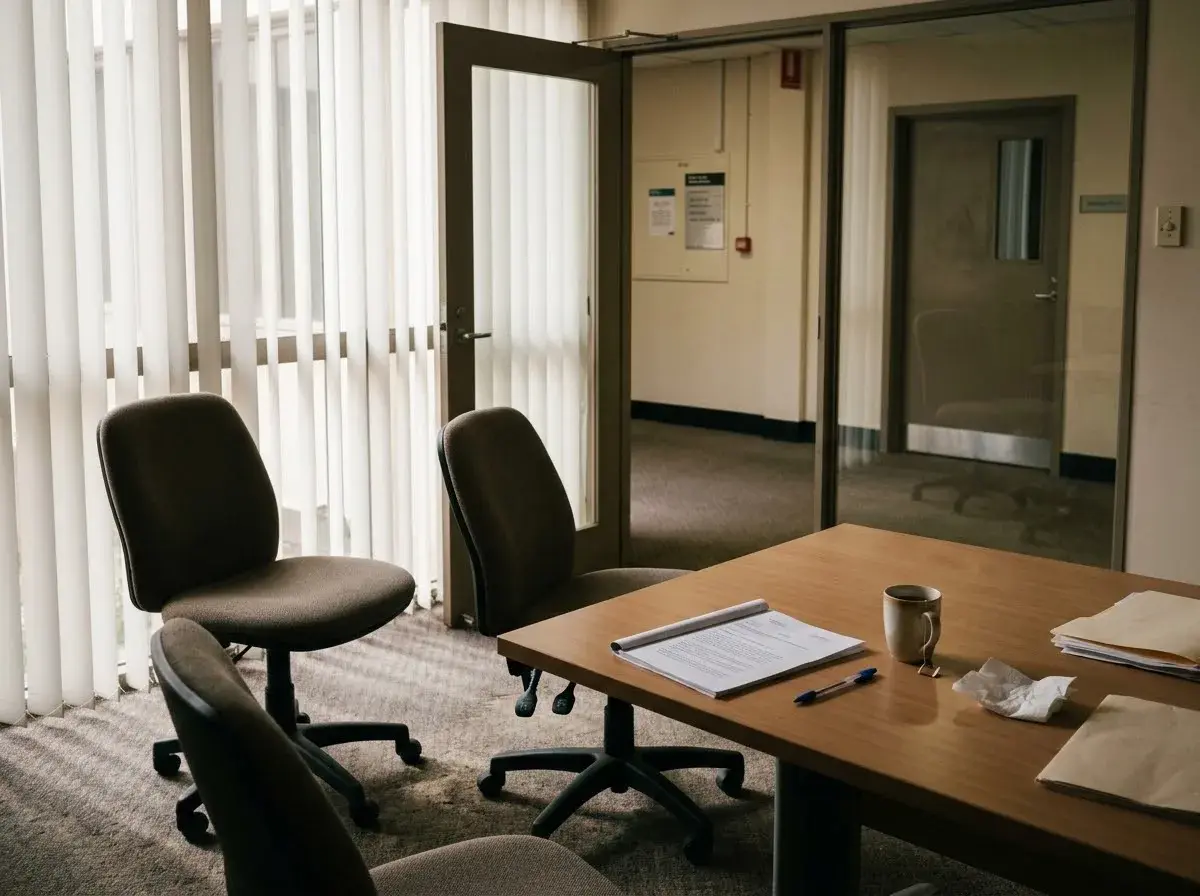
The court sent the claim to a pre-trial conference with a court clerk on 20 June 2024. It ran for more than three hours. After a joint session the parties went to separate rooms and the clerk shuttled between them carrying offers.
The Shire's chief executive said he put forward $30,000 'on the basis that the claim would be settled and Dr Walsh would stop participating in disparaging remarks on social media'. Dr Walsh accepted the $30,000, and his lawyer told the Shire's side they had an agreement. The Shire's lawyers would draw up a deed, a formal written settlement document.
Days later Dr Walsh refused to sign. He told the court registry and the Shire's lawyers he would not settle for $30,000 and asked for another conference or a trial. The Shire's lawyers said a binding deal had already been made, and they held the $30,000 in their trust account ready to pay him.
The Magistrate's decision
The court decided, as a preliminary question, whether a binding settlement agreement had been reached at the conference. In reasons delivered on 18 July 2025 the Industrial Magistrate found that it had. The essential terms were the payment of $30,000 and the end of the claim. Matters such as the character of his termination, confidentiality and non-disparagement were treated as ancillary terms to be sorted out in the deed.
The Magistrate also made adverse findings about Dr Walsh's credibility. On 20 August 2025 his claim was permanently stayed, meaning it could go no further. He appealed to the Full Bench.
Why: the legal test
An appeal from the Industrial Magistrates Court to the Full Bench, under s 84 of the Act, is a rehearing: the appellant must show an error of law or fact, and the Full Bench can make its own findings from the evidence.
Whether a settlement is binding before the paperwork is signed depends on what the parties objectively intended. The question, adopted from a 2025 Full Federal Court decision, is whether the parties 'objectively evince an intention to be legally bound to identifiable terms and conditions'. If an important matter is left unagreed, it is less likely the parties meant to be bound straight away. As one judge put it, agreeing on the main point while assuming the rest will be sorted out later can create 'a misleading appearance of consensus', and shaking hands or using the language of agreement can be ambiguous.
The Full Bench focused on how the offer was framed. The chief executive had singled out non-disparagement and made the money conditional on it. In the Full Bench's words, 'The offer of the money plainly had strings attached to it.' The Shire's witnesses and the chief executive's email to councillors the next day showed the term mattered to the Shire.
But Dr Walsh and his lawyer both said no non-disparagement term was discussed with him, and the Full Bench found no evidence contradicting them. His lawyer said there were no other terms with the $30,000. The Full Bench said the adverse credibility findings did not change that. It found 'no correspondence' between the Shire's offer and his acceptance: what he thought he was accepting was not what the Shire regarded as essential. Without agreement on a term that important, the parties could not be taken to have intended to be bound at the conference.
The appeal result
Dr Walsh won on his main ground. He lost a second argument that the lack of agreed payment and tax terms prevented a deal: the price was certain, and the Full Bench was not persuaded those details were important enough on their own.
The appeal was upheld and the Magistrate's decision quashed, so the finding that his claim was over no longer stands. The Full Bench ordered that his claim go to a different Industrial Magistrate for case management and a final hearing. It did not decide whether the Shire took damaging action against him. That question was not before it.
What this means for you
If you are negotiating a settlement at a conference or mediation, assume that saying yes may bind you before you sign anything. Before you accept, it is worth asking exactly what is being offered and on what conditions, such as confidentiality, non-disparagement, a resignation, or how the payment is described.
For employers, the lesson runs the other way. If a term matters to you, make sure it is put to the other side and accepted, or record that any deal is subject to a signed deed. Consider getting advice early, before the conference rather than after it.
The takeaway
A handshake at a conference can bind both sides, but only to terms both actually agreed. If one side's offer depended on a condition the other never heard or accepted, there may be no deal at all.
Note: The Full Bench gave its reasons on 20 July 2026 and made its formal orders on 22 July 2026 ([2026] WAIRC 00745), sending the claim to a different Industrial Magistrate for case management and a final hearing. This decision does not decide Dr Walsh's damaging action claim itself, which remains unproven either way.
Full Bench of the Western Australian Industrial Relations Commission · 20 July 2026
Maurice Walsh v The Shire of Victoria Plains, Sean Fletcher [2026] WAIRC 00529, Chief Commissioner Kenner, Senior Commissioner Cosentino and Commissioner Tsang. Read the full decision
This is a plain-English summary of the published decision, for general information. It is not legal advice, and every case turns on its own facts.
Does this sound like your situation?
More case studies
Western Australian Industrial Relations Commission · 27 August 2026
A prison safety rep refused his orders. His dismissal stood
Rossiter v Minister for Corrective Services
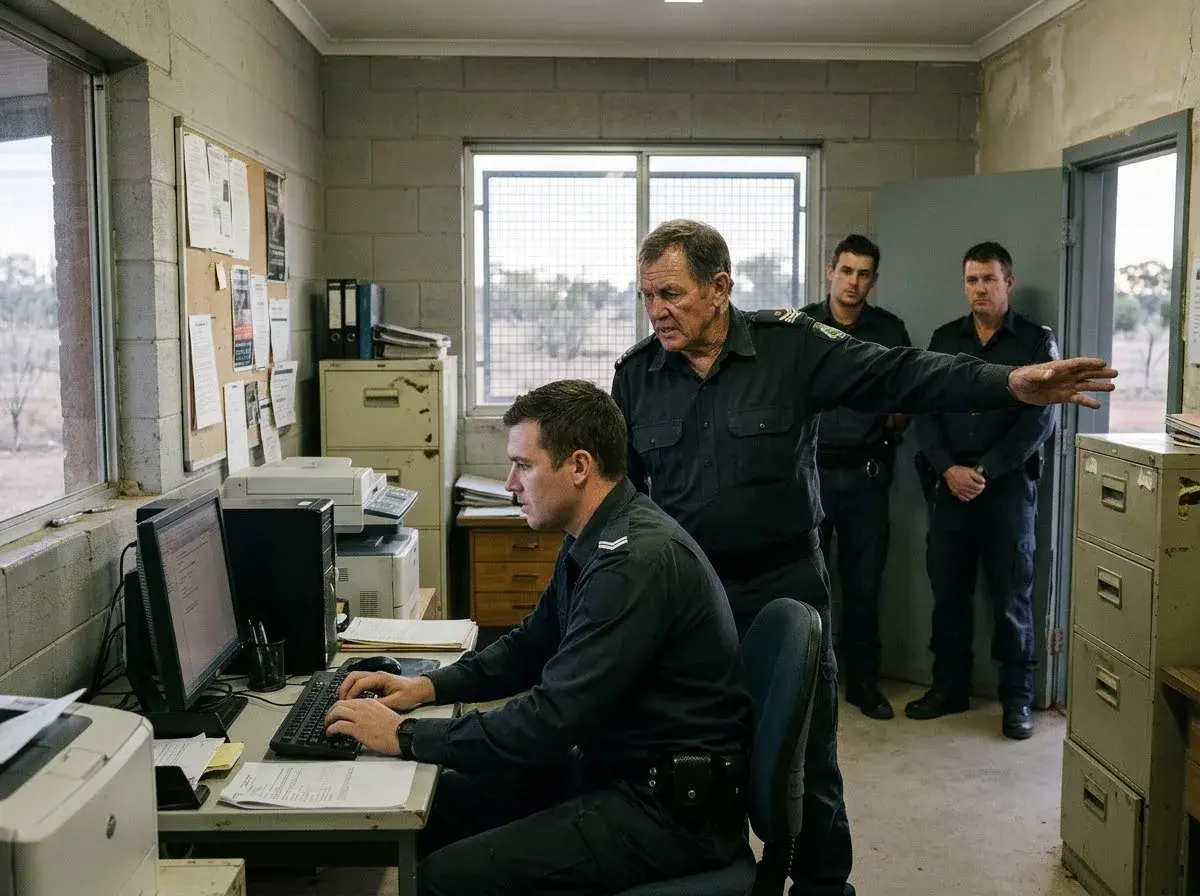
A prison officer with more than 18 years' service, most recently at Wooroloo Prison Farm had just been elected as a health and safety representative. On a badly understaffed morning he twice refused orders to do a hospital escort, saying his safety duties came first. The WA Industrial Relations Commission found his dismissal was not unfair and dismissed his referral.
Referral dismissedWA state system#wa state system#public sector#misconduct
Read the case study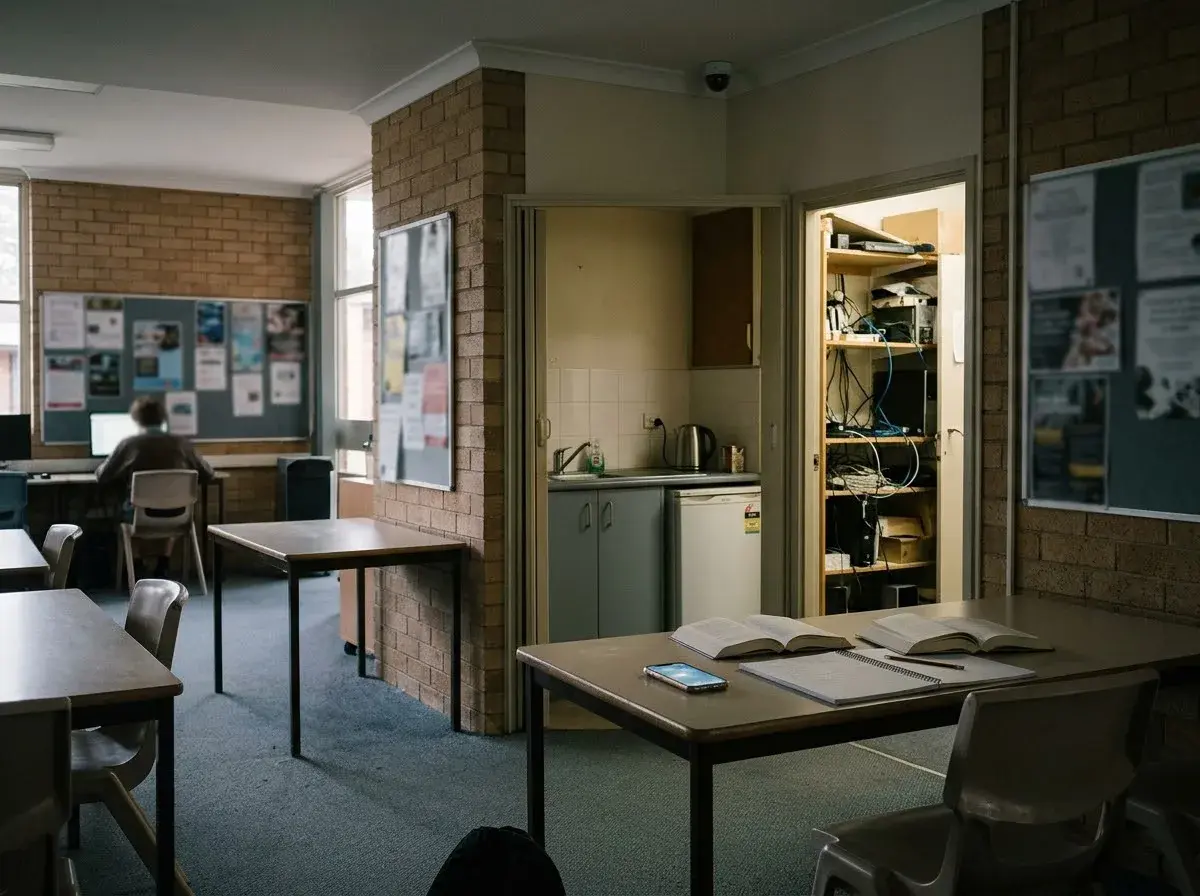
Public Service Appeal Board (Western Australian Industrial Relations Commission) · 7 November 2024
School IT officer forwarded a colleague's resignation email to herself
Karen Auzins v Department of Education
After about 17 years with the WA Department of Education, a school network support officer was dismissed for using her junior colleague's unlocked work phone to forward the colleague's confidential resignation email to herself. She denied it and produced a timesheet she said showed she had left early that day. The Public Service Appeal Board found she did forward the email, that the timesheet was fabricated, and that dismissal was not harsh, oppressive or unjust.
Dismissal upheldWA state system#wa state system#public sector#misconduct
Read the case study
Industrial Magistrates Court of Western Australia · 12 July 2024
Pub sold twice, but the new owner still owed her long service leave
Anna-Maree Grace Ladyman v Sai Group of Businesses Pty Ltd t/as Premier Hotel
Anna-Maree Ladyman worked as a casual in the kitchen of the Premier Hotel in Pinjarra for almost 12 years, through two changes of owner. When she left, the latest owner said her long service leave was the previous owner's responsibility under the sale contract. The Industrial Magistrates Court disagreed and ordered the new owner to pay her $8,569.76.
$8,569.76 long service leaveWA state system#leave#casual work#wa state system
Read the case study